The Cut You Never Noticed: How Streaming Quietly Erased the Messy Parts of Being Human
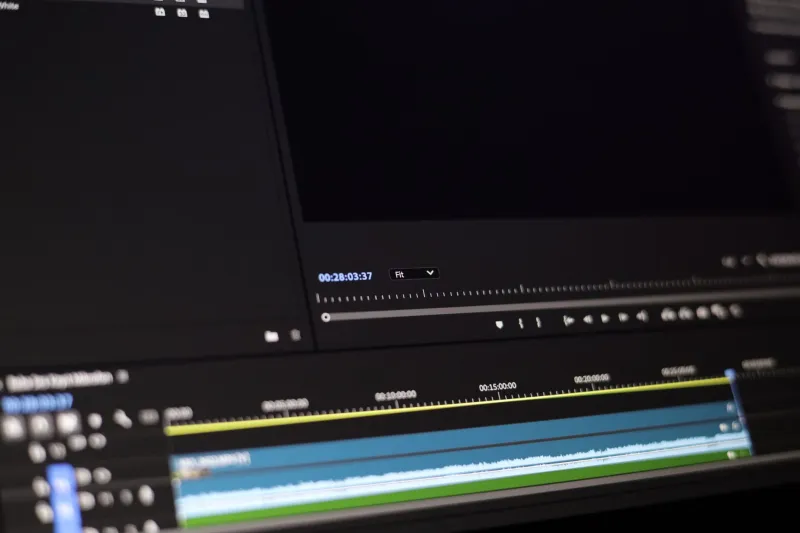
There's a version of every show, every documentary, every reality competition that you will never see. It exists somewhere on a hard drive in a post-production facility in Burbank or Atlanta or New York. It has long silences in it. Someone trips over a word. A contestant's face does something complicated and unresolvable. A celebrity answers a question and then immediately regrets it, visibly, in real time.
That version got cut. And the version that replaced it — the one that streams cleanly into your living room — taught you something you didn't agree to learn: that this is what real life is supposed to look like.
What the Cutting Room Floor Actually Holds
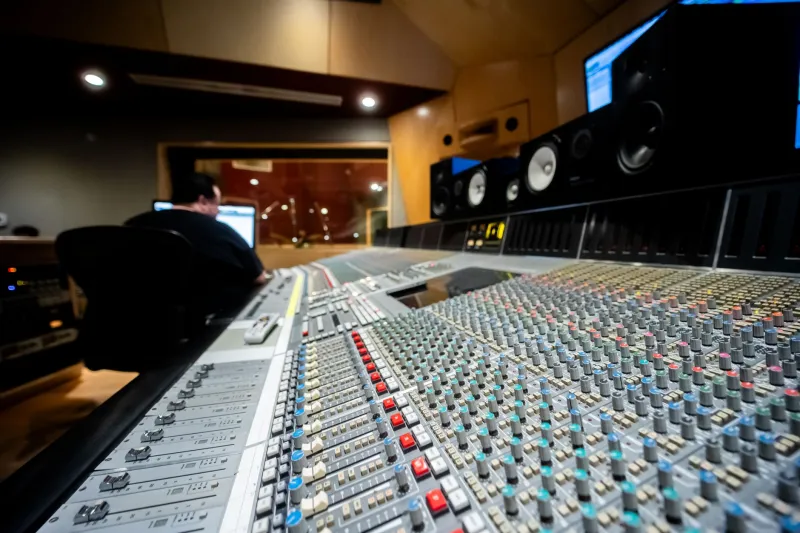
Post-production editors aren't villains. They're working within a system that has very specific goals, and "authentic human discomfort" is not one of them. The mandate is engagement, retention, and the avoidance of what the industry calls "dead air" — any moment where nothing is actively happening that moves the story forward.
But here's the thing: a lot of what gets flagged as dead air is actually emotional processing. It's the beat after someone gets bad news before they respond. It's the half-second where a talk show guest's smile slips before they catch it. It's the pause a documentary subject takes before answering something they weren't prepared for. These are the moments that, in real life, tell you everything. On screen, they're considered liabilities.
The result is a kind of emotional shorthand. Characters and real people on screen react faster, more cleanly, and with more narrative clarity than any actual human being ever does. We've been trained by thousands of hours of this to expect that emotional beats land immediately — and when they don't, in our own lives, something feels wrong.
Reality TV Did This First, and Did It Hard
If you want to understand the mechanics of this, reality television is your clearest case study. The format was sold to audiences as unfiltered truth — what happens when you take regular people and just film them. What it actually became was one of the most aggressively edited genres in television history.
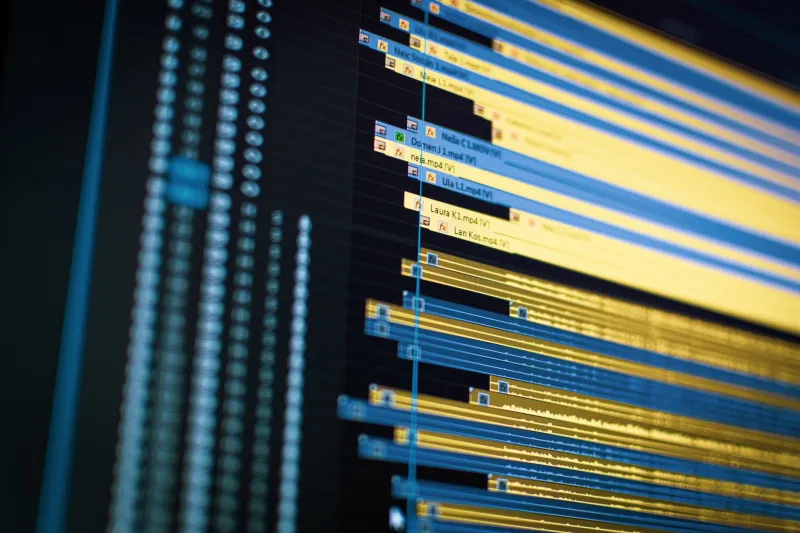
Producers on shows like The Bachelor, Survivor, and the entire Real Housewives universe have spoken openly (usually after leaving their jobs) about the extent to which footage gets shaped in the edit bay. Contestants' words get resequenced. Reaction shots get transplanted from completely different conversations. A person's "response" to a dramatic accusation might have been filmed an hour before the accusation was even made.
The awkward silences — the ones where someone is genuinely processing something painful — almost never make the final cut unless they can be framed as dramatic tension. Genuine confusion, real grief, actual ambivalence: these get replaced with cleaner emotional arcs that move faster and read better on a phone screen.
Documentaries Aren't Immune
The documentary form carries a reputation for honesty that its editing process doesn't always deserve. Streaming platforms have invested heavily in documentary content — true crime especially — and the post-production pressure that shapes scripted content applies here too.
The uncomfortable reality is that documentary subjects are human beings who ramble, contradict themselves, get tired, and sometimes say things that are genuinely ambiguous. Editors have to make choices about which version of a person to present. More often than not, the version that survives is the one that fits a predetermined narrative arc cleanly.
The moments that get cut are usually the ones where the subject seems most like a real person: the mid-sentence self-correction, the laugh that undercuts a serious statement, the visible uncertainty before a big claim. These are the textures of actual human cognition. They're also the first things that slow down a streaming documentary's pacing score.
Your Brain Learned the Wrong Lesson
Here's where it gets interesting from a cultural standpoint. We've been consuming this smoothed, edited version of human behavior for long enough that it's started to recalibrate what we consider normal.
Research in media psychology has pointed toward something called parasocial calibration — the idea that repeated exposure to mediated relationships shapes our expectations of real ones. When every emotional reaction you see on screen is immediate, legible, and narratively coherent, you start to expect that from the people in your actual life. And when they're slow, or uncertain, or give you a complicated non-answer, it registers as a problem.
This isn't a small thing. The editing decisions made in post-production on streaming content are, in aggregate, functioning as a kind of cultural instruction manual for what emotions are supposed to look like. And the instruction manual is wrong.
The Algorithm Has a Preference for Clean
Streaming platforms track engagement metrics at a granular level — skip rates, pause behavior, rewatch patterns. What they've found, broadly, is that audiences disengage during slow, ambiguous, or emotionally unresolved moments. So the editorial feedback loop is constantly pushing content toward cleaner, faster, more immediately legible emotional storytelling.
This isn't a conspiracy. It's just incentive alignment working exactly as designed. The platforms want you to keep watching. The editors want to keep their jobs. The result is a systematic pruning of everything that doesn't serve forward momentum — including the pauses, the stumbles, and the messy human reactions that make people on screen feel like actual people.
The irony is that audiences consistently say they want authenticity. They want content that feels real. But the metrics say they click away from the actual texture of real human behavior when they encounter it. The platforms believe the metrics. So the cuts keep coming.
What You're Left With
You end up with a media landscape that is technically about human beings but has quietly removed most of the evidence that humans are complicated. What remains is a highly functional simulation of emotional life — one that feels satisfying in the moment but leaves you vaguely less equipped to deal with the version that exists outside your screen.
The uncomfortable pause your coworker takes before responding to you. The way your friend's face does something unreadable when you mention that thing. The moment in a conversation where nobody says anything for three full seconds and the air gets heavy. These aren't glitches. These are the data.
Streaming platforms cut them because they don't serve the story. But they are the story. And somewhere on a hard drive in Burbank, the unedited version knows that.