Solitude Is a Feature, Not a Bug: How Apps Profit From Your Loneliness
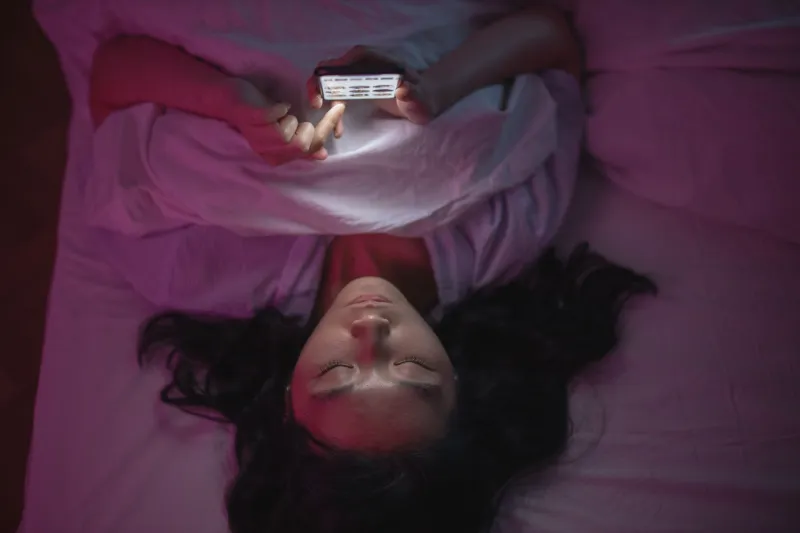
There's a version of a Friday night that goes like this: you're home, the apartment is quiet, and you open an app — any app — just to feel something moving. Within thirty seconds, you've got a notification badge glowing, a recommendation that feels weirdly personal, and a creator on your screen who seems to be talking directly at you. You didn't feel lonely when you picked up your phone. You might now.
That's not an accident. That's architecture.
The Loneliness Economy Is Real and It Has a Dashboard
Engagement metrics don't care why you're on an app. They care how long. And the data — much of which has surfaced through leaked internal documents, academic research, and the occasional whistleblower — consistently shows that isolated users are among the most engaged. Loneliness correlates directly with session length, notification response rates, and subscription retention. If you're designing a platform to maximize those numbers, you're designing a platform that benefits from your isolation.
This isn't a conspiracy. It's an optimization problem. Engineers and product managers at major streaming and social platforms are handed KPIs — key performance indicators — and told to hit them. When the numbers show that lonely users stick around longer, the product gets quietly shaped around that fact. Features that might reduce isolation — like encouraging you to call a friend or step away — don't make it into the roadmap. Features that simulate connection do.
Phantom Notifications and the Illusion of Being Needed
You've felt it: you pick up your phone because you swore you felt it buzz, or because you saw a number on an icon that turned out to mean almost nothing. A "new activity" alert. A "someone you might know" prompt. A "because you watched" push notification sent at 10:47 PM on a Tuesday.
These aren't bugs in the system. They're engineered interruptions designed to recreate the feeling of being thought about. Psychologists call this intermittent variable reinforcement — the same mechanism behind slot machines. You don't know if the next notification will be meaningful or empty, so you keep checking. The uncertainty is the point.
Streaming platforms have gotten particularly good at this. Netflix, Hulu, and Max all deploy notification systems timed around user inactivity. The longer you haven't opened the app, the more likely you are to get a push. "New episodes dropped." "Trending in your area." "Picked for you." The language is intimate on purpose. It mimics the way a friend might text you a recommendation. It is not a friend.
The Parasocial Pipeline
If notifications are the hook, parasocial relationships are the line. Streaming platforms and social apps have become extraordinarily skilled at serving you creators and characters engineered to feel like companions.
On YouTube and TikTok, the algorithm doesn't just learn what topics you like — it learns which creator's voice and cadence keeps you watching past the first thirty seconds. It then feeds you more of that specific person. Over weeks and months, you develop what feels like familiarity. You know their catchphrases. You notice when their energy seems off. You feel genuinely happy when something good happens to them.
This is a parasocial relationship, and platforms don't just tolerate it — they engineer for it. The recommendation engine isn't trying to diversify your media diet. It's trying to deepen your attachment to a small cluster of creators who have the highest retention rates for your demographic. The result is a pseudo-social world where you feel connected without ever actually connecting.
Streaming platforms do the same thing with fictional characters. The reason certain shows get renewed despite middling ratings is often because their characters score high on what insiders call "companion metrics" — measurements of how much viewers feel emotionally bonded to a specific character. If you've ever felt like a show's character was the most consistent presence in your life during a rough stretch, the platform almost certainly knew that before you did.
The Feed That Knows When You're Vulnerable
Personalization is sold as convenience. What it actually is, at its most aggressive, is emotional profiling.
Platforms track not just what you watch, but when. Time of day, day of week, how long since your last session — all of it feeds into a behavioral model. And that model can identify, with uncomfortable accuracy, when you're in a low emotional state. Late-night binging after a long gap in activity is a reliable signal. So is cycling through content without committing to anything — what some engineers internally call "drift behavior."
When the system detects drift, it doesn't serve you something challenging or new. It serves you something warm and familiar. A comfort show. A creator you've watched before. A genre that historically keeps you in the app longest when you're in this state. The feed becomes a mirror for your vulnerability, and the reflection is curated to keep you looking.
This is where "personalization" stops being a feature and starts being a feedback loop. The more isolated you are, the more the app learns to be your companion. The more it acts like your companion, the less you seek connection elsewhere. The less you seek connection elsewhere, the more isolated you become. The cycle doesn't have a natural exit.
What Would a Healthier Design Actually Look Like?
Some researchers and designers have proposed alternatives — apps that cap session length, platforms that surface social prompts, notification systems that default to silent. A handful of smaller apps have experimented with "digital wellbeing" modes. Apple and Google both built screen time tools into their operating systems, though their effectiveness is debatable when the apps themselves are fighting back with every psychological trick in the playbook.
The honest answer is that meaningful change would require platforms to voluntarily reduce engagement, which means voluntarily reducing revenue. That's a hard sell to shareholders. Until regulatory pressure or public backlash makes the current model more costly than the alternative, the incentive structure stays the same.
Decode the Loop Before It Decodes You
None of this means you need to delete everything and move off the grid. But knowing the mechanism changes how it operates on you. When the app feels like it's reading your mind, it's because it has been — for months, quietly, in the background. When a notification arrives at the exact moment you felt like reaching for your phone, that's not synchronicity. That's a system that learned your rhythms.
The loneliness that entertainment apps exploit is real. The connection they offer in return is a simulation. Recognizing the difference between the two is, at this point, a basic survival skill for anyone navigating the modern attention economy.
And if that sounds bleak — well, the app would love for you to scroll through that feeling rather than sit with it.